Training African women for paid work in media.
Cameras For Girls is different.
Our training drives job creation for African women in media.
We do more than teach photography.
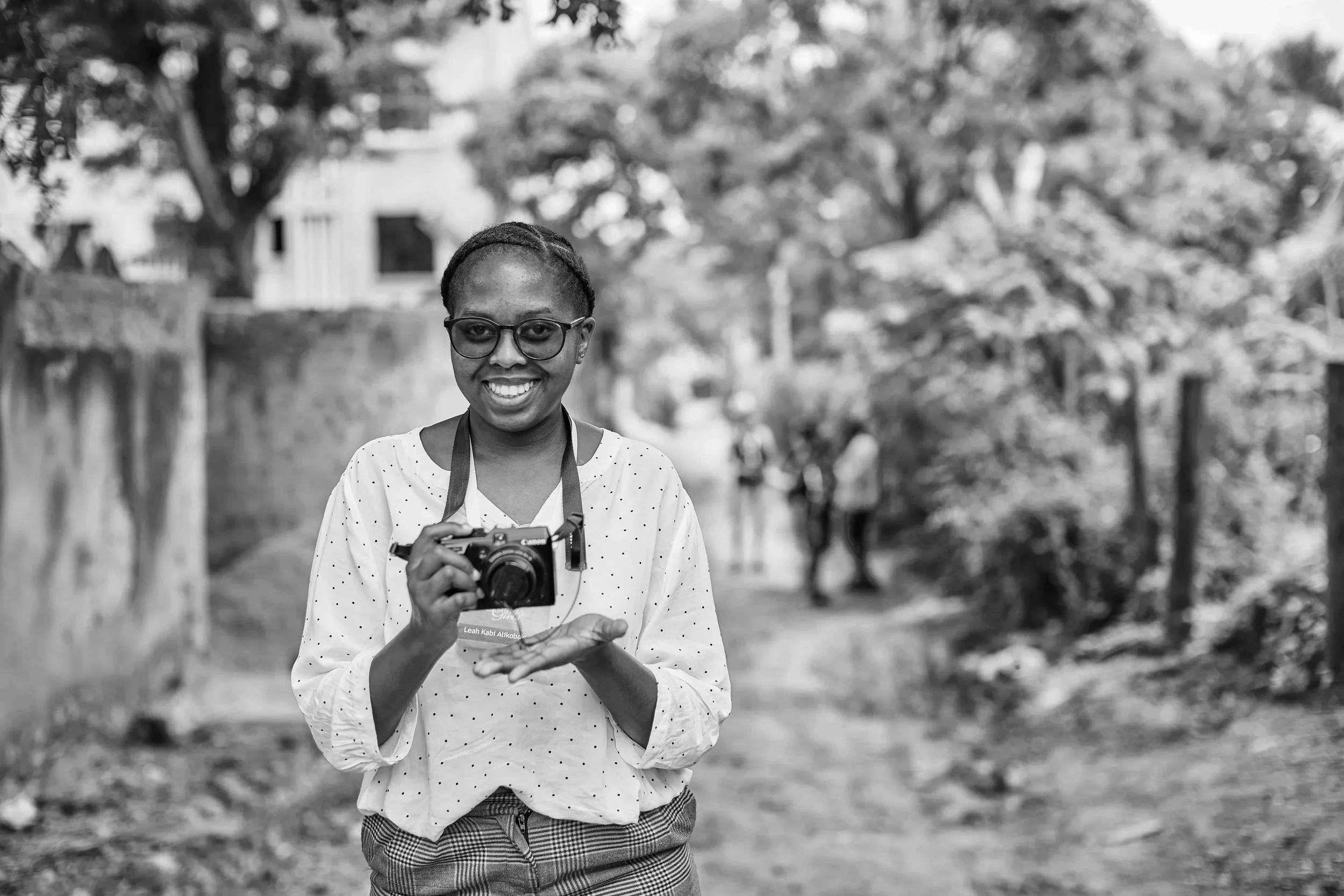
Cameras For Girls equips young African women with practical photography and ethical storytelling skills and provides each participant with a camera to keep, a year-long training program, career development, mentorship and access to professional opportunities.
Our program is designed to bridge the gap between education and employment, helping women move from learning a skill to building a portfolio, accessing paid assignments and creating sustainable income from their work.
80% of our graduates move into paid work in journalism, photography, communications and other media roles.
That is why job creation is not an add-on to our program. It is one of the outcomes we are intentionally building toward.

Watch our trailer from the Cameras For Girls workshop in Uganda, where we trained 60 women in March 2025.
Why We Exist?
Across Africa, many young women graduate from journalism and communications programs with theoretical knowledge but limited access to the equipment, practical experience, portfolios and professional networks they need to compete for paid work.
Media also remains heavily male dominated, creating additional barriers for women trying to enter and build careers in the industry.
We exist to change that.
Cameras For Girls helps close that gap between education and employment by giving women the practical tools, skills and professional support they need to move forward.
How Do We Do It?
Our program is designed as a pathway, not a one time workshop.
🟡 Phase 1: Hands-On Training
Students begin with an intensive four-day photography and ethical storytelling workshop and receive a camera to keep, allowing them to continue practicing and building their portfolios.
🟡 Phase 2: Virtual Learning
For the next year, students take part in weekly live online training, assignments, feedback and peer learning to strengthen their technical and ethical storytelling skills.
🟡 Phase 3: Business Skills & Portfolio Development
We help her build a resume, create a LinkedIn profile, develop a portfolio, and apply for real-world media jobs.
🟡 Phase 4: Mentorship & Job Access
Students are connected with mentors, industry networks and opportunities for internships, freelance assignments and employment.
Ethical Storytelling Is Core to Our Work
Ethical storytelling is embedded in everything we do. It guides how Cameras For Girls represents the women and communities we work with, and it is a core part of the training we provide to every student.
Our students are emerging photographers, journalists and communicators who will help shape how stories from Africa are seen and understood. We teach them to tell those stories through a lens of dignity, grounded in informed consent, agency, accurate representation and respect for the people whose stories they tell.
Through our Ethical Storytelling Framework, students learn to recognize power imbalances, challenge stereotypes and consider not only the story they want to tell, but also the rights, safety and dignity of the person whose story is being shared.
Because changing who gets to tell Africa’s stories also means changing how those stories are told.
What Does Our Work Change?
80% of our graduates move into paid work.
Our students and graduates are working in photography, journalism, communications and media, while others are building freelance careers and earning income from their skills.
The change goes beyond employment.
More women working behind the camera and inside media organizations means greater representation in an industry where women remain underrepresented.
And as graduates build their careers, some return as trainers, mentors and role models for the women coming behind them.
Skills become opportunity. Opportunity becomes income. And more women gain the ability to shape the stories being told about their communities.
Our Impact To Date
Since 2018, Cameras For Girls has trained young women in Uganda and Tanzania through our year-long program, while thousands more have accessed photography and storytelling education through our Online Learning Hub. Our graduates are using their skills, cameras and professional networks to pursue paid work in journalism, photography, communications and other media roles.
Student Testimonial
“Two weeks after completing the program, I was finally offered a paid job at the media house I had worked at for four months without recognition. That camera changed my life.”
– Joanita, Uganda
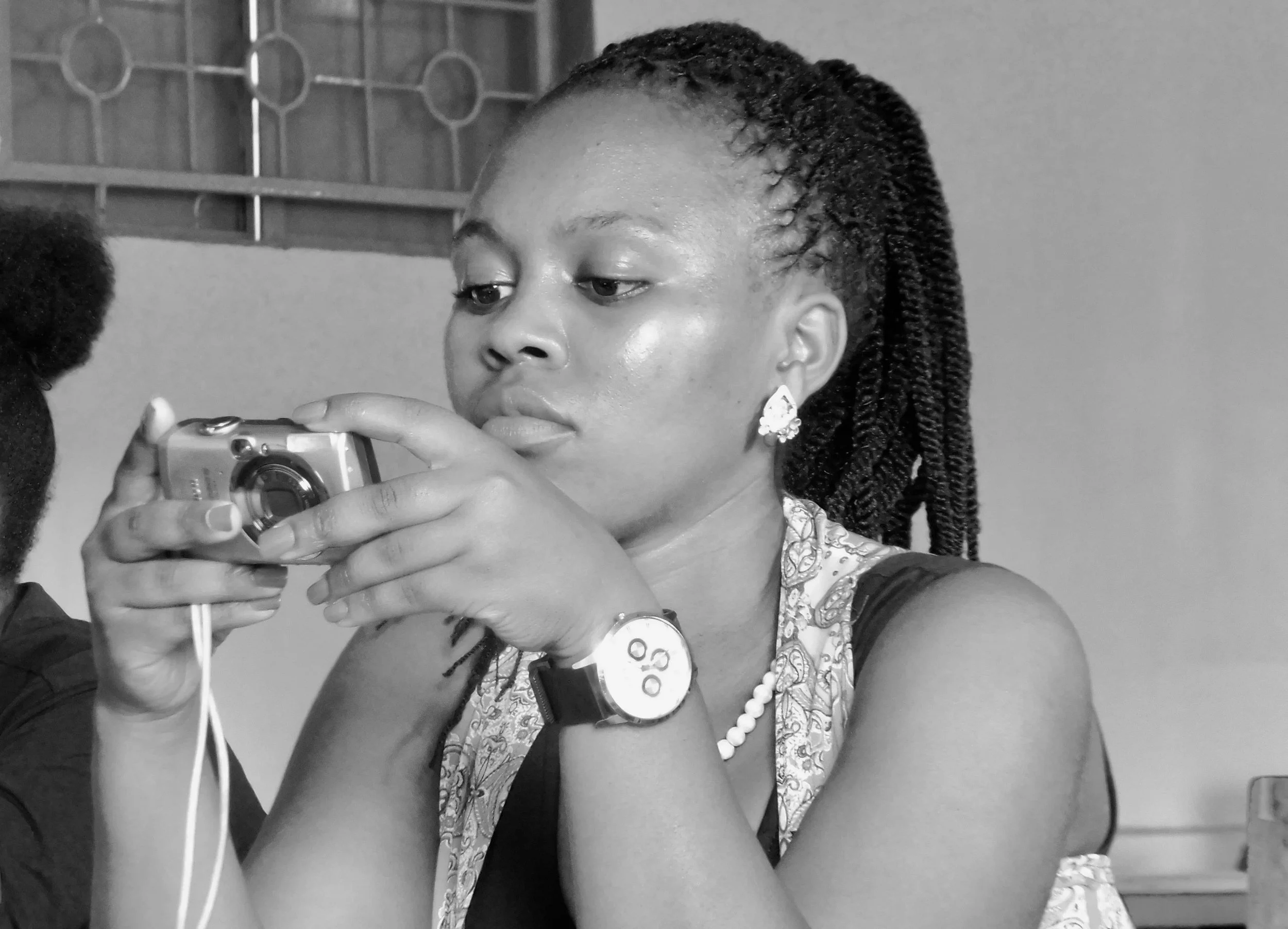
Joanita Nakato, trainee from 1st workshop, Uganda, 2018
We Do Not Do This Alone
Partnership is central to the Cameras For Girls model.
We work with African universities to complement academic learning with practical skills and career preparation.
We collaborate with NGOs and community organizations to give students real world opportunities to practice photography and ethical storytelling.
And we build relationships with media organizations, employers, professional networks and funders that can help open pathways to paid work.
Get Involved Today
There are several ways to help create stronger pathways into media for African women.
-
Why Give: Your donation gives a girl the tools, training, and support she needs to get paid work in media.
Impact: 80% of our graduates are now working in journalism, photography, or communications.
Donation Options: One-time, monthly, capacity funding.
🔘 Give Now -
Align your brand with social impact.
Sponsor workshops, equipment, or a full student cohort across Africa.
Reach us through our Contact form HERE
-
Use your skills to support our mission—help us fundraise, write blogs, manage our students, and more.
Learn more HERE.
-
Help a young woman grow into her role as a storyteller and help her bring our training and her goals together so she can get paid work.
Learn more HERE.
-
Join Our Online Learning Hub: Free training in photography, storytelling, and building your voice in media.
Get Job-Ready: Learn through our 4-phase program—from camera basics to mentorship and real job opportunities.
🔘Learn more HERE.

Our Funders and Sponsors
Our work is made possible through organizations and individuals who believe African women should have greater access to opportunity, income and representation in media.






Memberships & Certifications