
Focus and Frame: How Photography Quietly Heals the Mind
By Chelsey Gray
The world moves fast, and most of the time, it expects us to keep up. Between nonstop notifications, deadlines, and the pressure to always be “on,” it’s easy to miss the small moments that make life feel meaningful.
That’s part of why I started taking photos.
Whether I’m using my camera or just my phone, something shifts when I slow down enough to really look. The light across a chipped windowsill. A spider web glinting with dew. A wildflower growing stubbornly through cracked pavement. These tiny moments remind me that beauty still exists, even when everything else feels overwhelming.
What I didn’t expect was how much photography would begin to support my mental health, not just as a creative outlet, but as a practice of mindfulness, reflection, and healing.
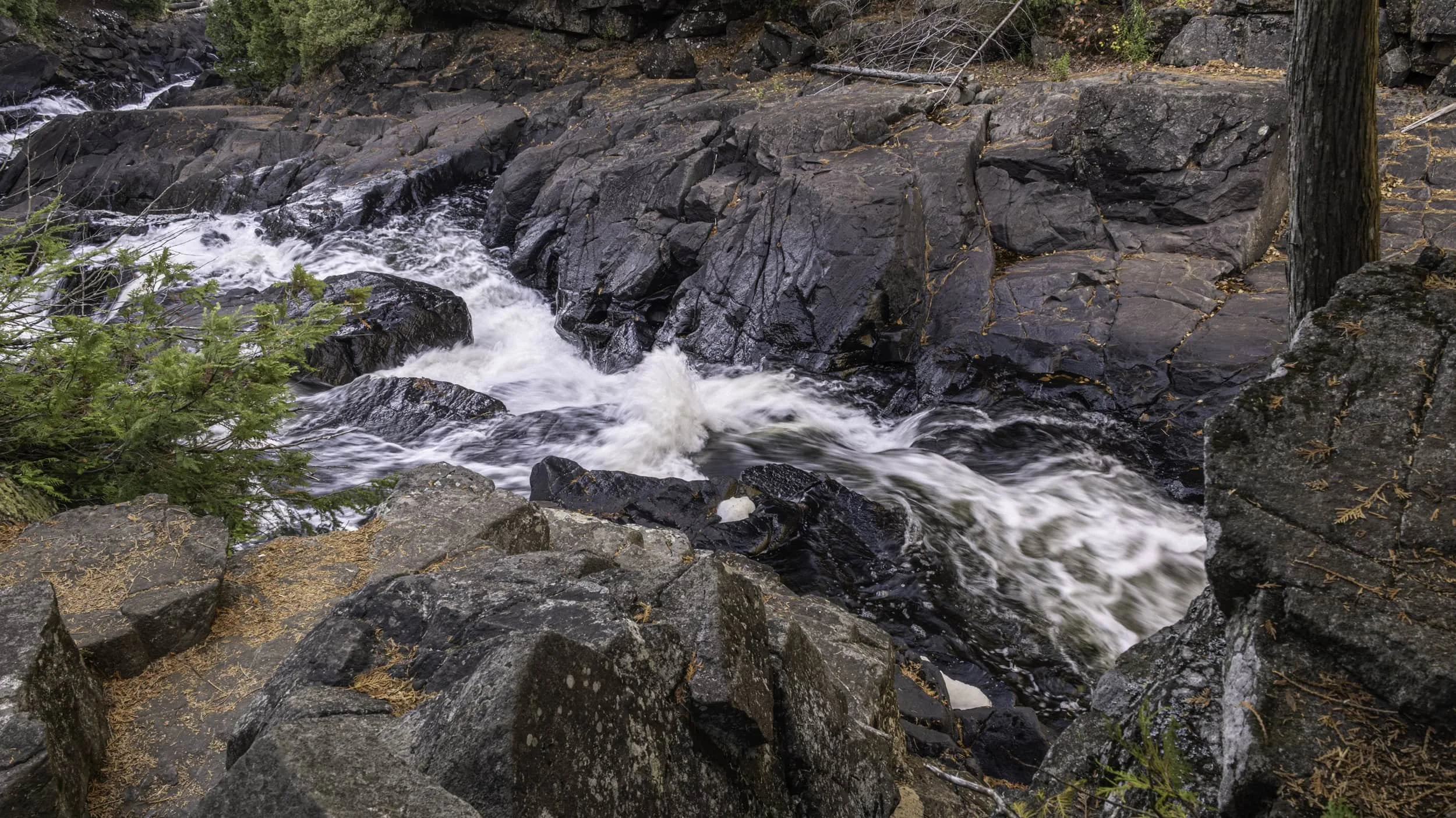
Algonquin Park, Canada @Amina Mohamed Photography
1. Photography shifts your attention
Photography is a practice in noticing. When you’re focused on framing a shot, you're not cycling through your inbox or worrying about tomorrow’s to-do list. You’re paying attention to light, shadow, shape, and texture — the stuff we usually rush right past.
That act of looking closely works a lot like mindfulness. It calms your nervous system by bringing your awareness to the present moment. Even a short walk to take a few photos can feel like a mental reset.
2. It helps you tell stories — without having to explain
Some emotions are just hard to put into words. Grief. Anxiety. Hope. Photography gives us a way to process those feelings visually, and to share them… or keep them just for ourselves.
For anyone navigating trauma or emotional pain, the ability to capture a feeling without having to explain it can be incredibly healing. You’re not pushing the feeling away, you’re giving it a frame, and in doing so, changing your relationship to it.
3. It softens critical self-talk
Something happens when you start looking at the world through a lens: you begin to notice beauty in the unexpected. A rusted hinge. A crumpled receipt. The way sunlight filters through a window at 4 p.m.
Over time, that habit of finding beauty, especially in what others might overlook, can influence the way you see yourself. It can gently quiet that voice that only sees flaws or failure. Because if a weed in the sidewalk can be worthy of attention, maybe you are too.
4. It gives you space to grow, without the pressure to be perfect
Photography is one of the rare creative outlets where progress doesn’t have to be tied to performance. You’re allowed to experiment, mess up, learn something new, and try again. That sense of growth, even without clear rules or a finish line, builds confidence. Especially when other parts of life feel stuck.
5. It reconnects you — to yourself, and to others
Photos tell stories. They help us share perspectives. And they remind us that the way we see the world matters. Whether or not anyone else sees your work, the simple act of creating something for yourself, with no expectations or judgment, can feel deeply grounding.
For me, photography started as a way to slow down. But it’s become something deeper: a way to remember what’s worth holding onto.
I’ve always been drawn to abandoned spaces, places where time has left its mark. Trees growing through old trucks. Ivy overtaking concrete walls. There’s something powerful in watching the earth reclaim what’s been forgotten. It reminds me that even in the wreckage, life finds a way back.
It’s that same quiet resilience that drew me to Cameras for Girls. I’ve just begun volunteering, and while I support from a distance for now, I’ve already seen how photography gives young women more than a skill; it gives them a way to reclaim their story. It permits them to see the world through their own lens, and to show it back to us in ways we might have missed.
So here’s a gentle challenge:
Take a moment today to find three things that catch your eye, not because they’re perfect, but because they speak quietly to you. The girls in Cameras for Girls are learning to do this every day: to notice, to frame, to tell their own stories with honesty and heart. By seeing what they see, you connect with the power of turning challenges into stories worth sharing. A practice that turns everyday moments into acts of courage and storytelling.
About the Author
Chelsey Gray is a Remote Nonprofit Data Specialist with 15 years in administration, 7 years in the nonprofit sector, and a background in technical writing. She’s an amateur photographer, a passionate believer in ethical storytelling, and a proud new volunteer with Cameras for Girls. She’s committed to finding small ways to help make the world a little softer, more just, and more beautiful — one frame at a time.