
From Refugee to Storyteller: Why I Founded Cameras For Girls
You know our work at Cameras For Girls.
You’ve seen the photos. You’ve read the stats. You may have even supported a student on her journey.
But today, I want to share something deeper.
Not just what we do, but why we do it. And more specifically MY WHY.
Because this work did not begin with a program design or a strategic plan.
It began with a moment in history that shaped my life before I was even old enough to understand it.
In 1972, Uganda’s then-president, Idi Amin, declared that all Ugandans of Indian descent had 90 days to leave the country. It did not matter that we were born there, had lived there our entire lives, and had contributed to the economy. Over 60,000 people were expelled, their homes and businesses confiscated by the state. My family was among them.
We lost everything, not just property or possessions, but place. Belonging. Identity.
The trauma of being told, you don’t belong here, was generational. And though I was only three years old when we fled to Canada, that upheaval lived in our family as it did for the countless people who had to flee. Many of them rebuilt their lives in Canada, the UK, and other parts of the world, but for many of us Uganda never lost her pull on our hearts.
Canada gave us refuge. It gave us safety. But what it also gave us, quietly and profoundly was immense opportunity.
And this story, the story I am telling you now, is about what happens when that opportunity is used not just to rise, but to return. Not just to rebuild, but to reimagine what could be.
A Career in Media That Shaped Me
I grew up in Canada with the understanding that I had to make the most of the second chance my family had been given. I studied, worked hard, and pursued a life that was not typical. Most Indian kids get directed to the sciences or law, but I was never good at school, was always a rule breaker, and was always looking for a way to stand out, even if I could never voice it. The camera became my refuge when words failed me.
After college, I began working in film and television, not in front of the camera, but behind the scenes, where I could help build and shape stories. I started in catering, where I had the chance to serve the late John Candy on the set of Canadian Bacon. The film may not have won awards, but John was one of the kindest people I ever met.
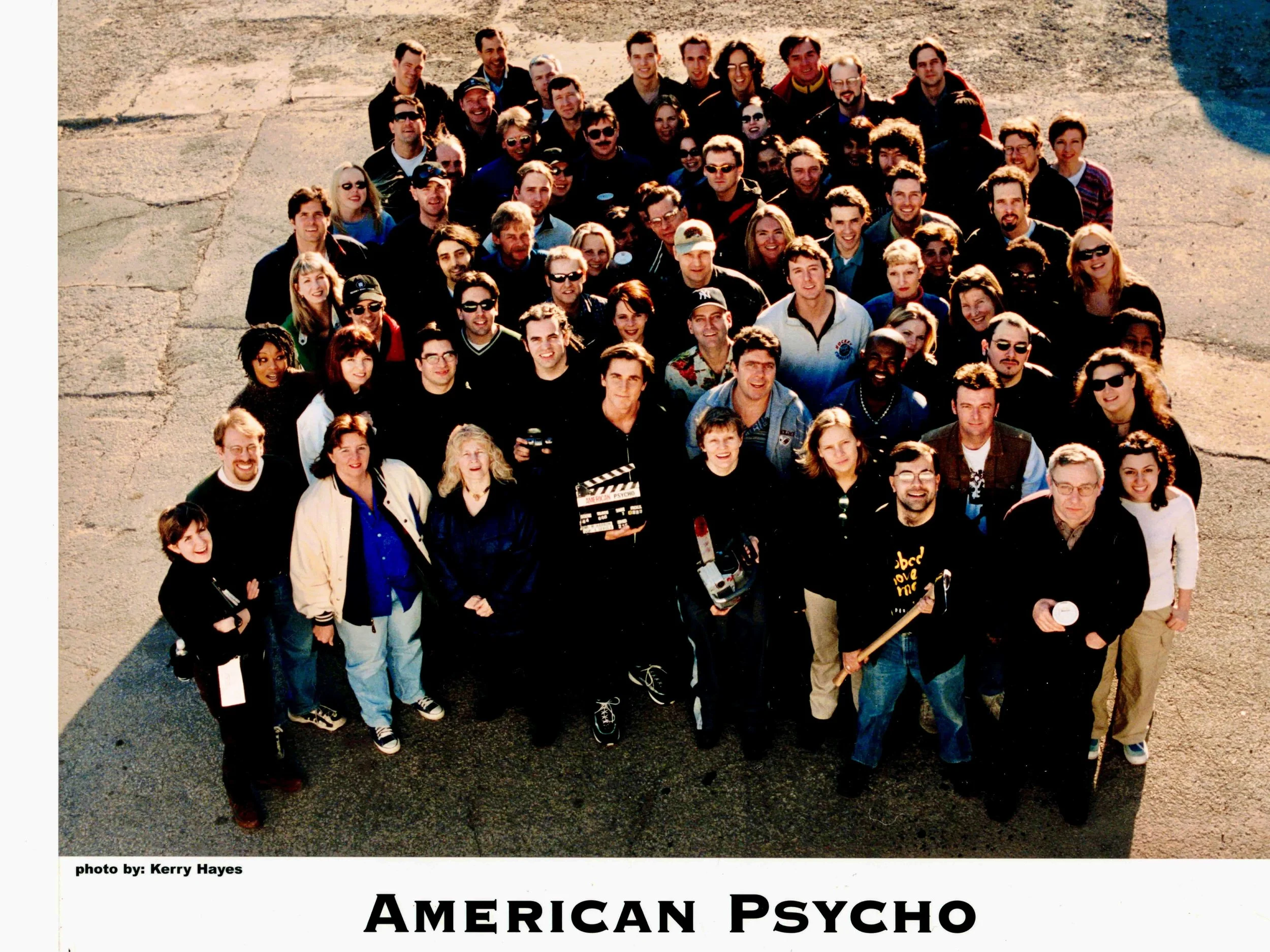
From there, I moved into wardrobe, and eventually landed one of the biggest jobs of my early career, working on American Psycho, managing wardrobe for more than 1,000 extras. It was intense, but it taught me how to handle pressure, how to work with a team, and how to lead.
Those experiences gave me the confidence to start my own production company. I produced music videos with grants from MuchMusic, produced short films (including one that screened at TIFF), and eventually began working in documentary filmmaking, a space where I could finally combine my love for storytelling with my personal drive to uncover the truth.
The Journey Back to Uganda
In 2007, I received the first-ever Hot Docs scholarship, which gave me the opportunity to return to Uganda for the first time since my family had been expelled. My goal was to create a documentary about the return of Ugandan Asians the community I came from, and how they were reclaiming what had been taken from them. The story followed my uncles journey from Vancouver to Uganda, but alas I ran out of money, and never finished it. However it provided me a bigger view into the inequities that existed between the Ugandan Africans and the Ugandan Indians, shaped by colonial powers at the time.
When I arrived in Uganda, I found something unexpected.
While filming and reconnecting with the community of Indians who never left and who had by then amassed great wealth, I met young Ugandan women who were deeply passionate about photography, journalism, and media. These women wanted to tell stories, both their own and those of their communities, but they had no access to the tools, training, or opportunities to begin. Even though they were coming from University journalism programs, the gap was clear. Theoretical training that would not create direct opportunities to employment, and that’s the gap I could see clearly where we could step in.
They were being told, directly and indirectly, that media was not a space for women.
They could not afford a camera.
They had no mentors.
They had no path forward.
I saw myself in them, but I also saw everything I had been given that they were still fighting for.
From Filmmaker to Founder
That trip changed me. I came back to Canada unable to continue my work as if nothing had happened. I had a skillset. I had knowledge. I had privilege. And I had a choice, to do something with it or to look away.
So I chose to act.
Even though it took me another ten years, In 2018, I founded Cameras For Girls, a Canadian charity that connects young African women with the tools and training they need to become photographers, storytellers, and media professionals.
But our program goes far beyond the camera.
We offer:
A year-long training program that includes in-person and online learning
A professional camera given to each student at the beginning of our year-long program, removing the financial barrier
Instruction in photography, ethical storytelling, digital marketing, and entrepreneurship
Partnerships with local NGOs, where students apply their skills in real-world environments
Career development tools including LinkedIn training, resume building, business planning, and financial literacy
A six-month mentorship program with one-on-one guidance to help students enter the workforce with confidence
Partnerships with locally-based and international groups that provide our women with free mental-health support
To date, we’ve trained 189 young women across Uganda and Tanzania. And more than 80% of our graduates have gone on to earn paid work in media-related careers. We have established partnerships and collaborations across Africa with other organizations, including three refugee-led groups in northern Uganda, to provide free access to our online learning hub, for 2,000 women.
As we continue to grow and build partnerships with local African organizations, we’re giving young women free access to skills-based learning that supports them in telling their own stories. But this work goes far beyond technical training, it’s about INpowerment. It’s about giving women the tools, confidence, and opportunities to build careers, claim their narratives, and take up space in an industry that has too often excluded them.
Why I’m Telling You This
In the nonprofit world, we are often told to lead with data. To focus on impact metrics and program outcomes. And while those numbers are important, they are not the reason people give.
People do not connect with your organization.
They connect with your why.
This is mine.
My family lost everything, but we were given a second chance.
That chance allowed me to build a life in media, to find my voice, and to tell stories that mattered.
But when I returned to Uganda, I saw clearly that too many girls were still being silenced, not because they lacked passion or talent, but because they lacked access. Simply because they are girls!
Cameras For Girls is my way of closing that gap. Of turning a second chance into something bigger than myself.
Of helping the next generation of women step into their power, behind the camera, in front of the story, and at the center of change.
My Why — and Yours
So now that you know my why, I want to ask you something.
What is your why?
Why do you believe in equity?
Why do you support women’s rights and education?
Why do you care about representation in media?
Because when you support Cameras For Girls, you’re not just supporting a program, you’re backing a movement.
A movement led by young women who are changing the stories being told about Africa, and about themselves.
And if this story moved you, I hope you’ll continue walking with us, as a donor, a mentor, a partner, or simply as someone who believes that every girl deserves to be seen, heard, and respected.
That’s why I do this work.
That’s why it matters.
And that’s why the lens will always be focused on them.