
Seeing More Than What Is in the Frame
Photography has always had the ability to capture more than what appears in the frame. A single image can preserve a fleeting moment, spark memory, or stir something deeper within us. But for us at Cameras For Girls, a photo is more than a moment; it is the beginning of a worthwhile story that needs to be told.
The foundation of our work was inspired by one such image. In 2007, while travelling through Uganda for the first time, our founder was struck by the sight of a woman walking along the road from Jinja to Kampala, silhouetted by the setting sun. She instinctively took a photo, not for composition or technique, but because it carried a feeling that would stay with her for years.
It was not the most technically perfect photo. It was not planned. But it captured resilience, grace, and the quiet strength of everyday life. That moment became a reminder of photography's deeper purpose: to tell stories that matter.
As photographer Sabastião Salgado once said, "The picture is not just a picture. It is a mirror of the human condition."
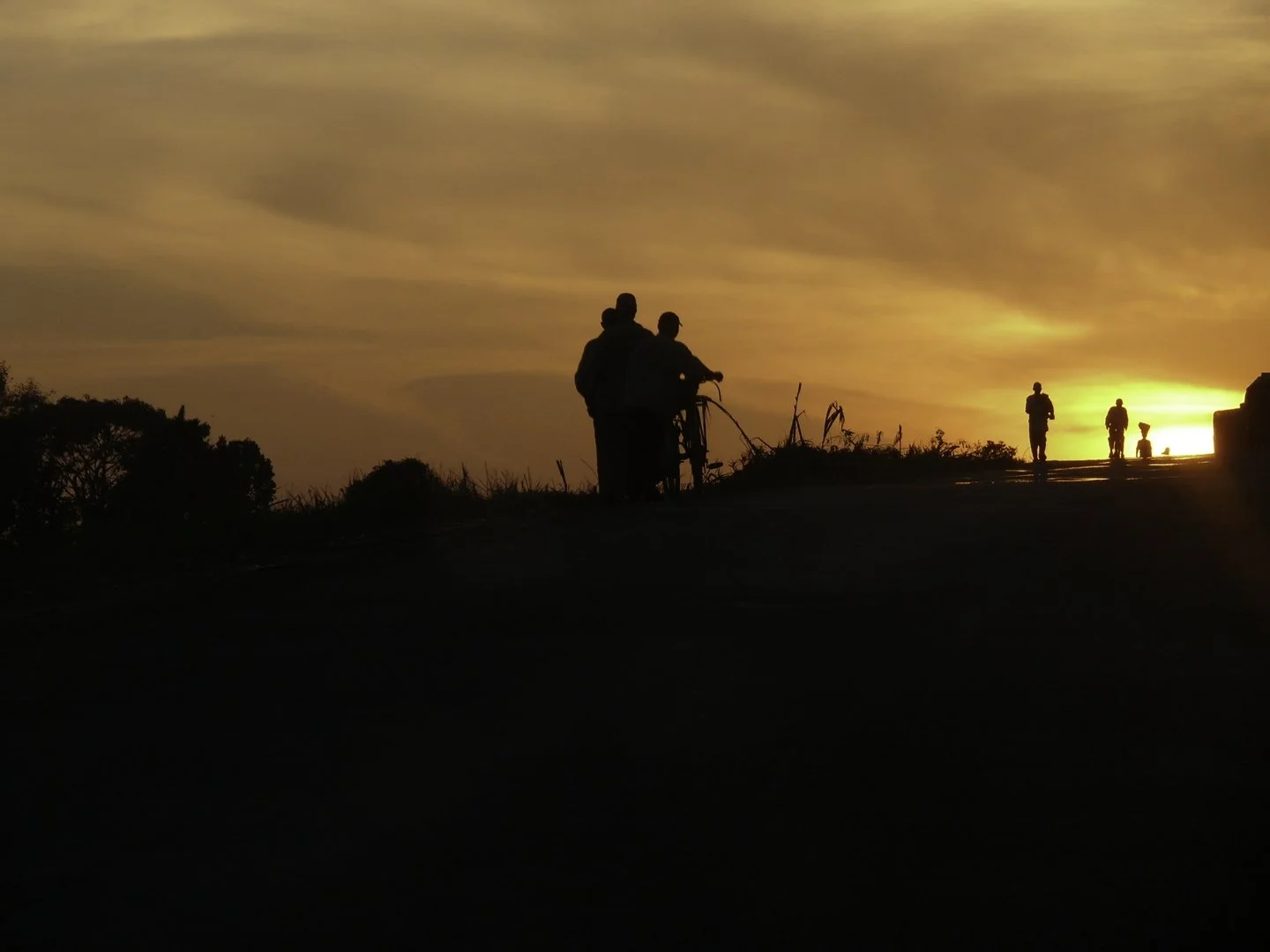
Life in Silhouette in Uganda, 2007 @aminamohamedphotography
Why Storytelling Matters
Storytelling is at the heart of everything we do. Cameras For Girls was created to equip young African women with the tools and training to tell their own stories through photography. In Uganda and Tanzania, many women who study journalism or communications find themselves stuck after graduation, lacking the practical skills, equipment, and access to paid work in male-dominated media industries.
Cameras For Girls steps into that gap.
Through our four-phase, year-long program, each participant receives a camera to keep and hands-on training in photography, ethical storytelling, and business development. We don't just teach how to take a good photo; we teach how to build a career, pitch a story, and tell it with integrity.
Photos taken by our students do not just show their technical skills. They reveal how they see the world, and how they want the world to see them. In a landscape where African women are often misrepresented or underrepresented, these images become a form of resistance. A way of reclaiming space. A way of saying, "We are here. We matter."
The Ripple Effect of One Image
That first photo taken in Uganda may have been small in the moment, but it sparked a much bigger movement. Since launching, Cameras For Girls has trained over 200 young women, with 80 percent now working in journalism, photography, media, or communications.
Their images are shifting narratives. They are capturing their communities with dignity, showing strength where others might see weakness, and changing how African people are portrayed, not as subjects of charity, but as authors of their own lives.
Photographer Lynsey Addario once said, "Photography is a tool to influence hearts and minds, to give voice to the voiceless." Our students are doing just that.
One image can be the beginning of a voice being reclaimed. One story told ethically can lead to opportunity. One camera can become a key to independence.
Why It Still Matters
In April 2025, Cameras For Girls became a registered nonprofit in Uganda, deepening our roots and expanding our reach. We continue to grow because the need remains urgent. Representation matters. Access matters. And visibility is the first step toward opportunity.
When a young woman picks up a camera for the first time, she is not just documenting the world around her; she is learning how to shape it. She is telling stories that might otherwise go unheard.
This is the power of a photo. Not just to be seen, but to see. Not just to capture, but to create change. Not just to preserve reality, but to challenge perception.
Join Us
Your support helps put cameras into the hands of young women who are ready to lead, create, and shift narratives. Help us train the next generation of storytellers, journalists, and changemakers.
Learn more or donate at www.camerasforgirls.org
#GirlsBehindTheLens #VisualVoices #StoryThroughHerLens #CamerasForGirls